

Choosing a tool in permanent makeup is not merely a technical decision. It is a decision that affects every stage of the work, from the first contact of the needle with the skin to the final effect after healing. Permanent makeup needles determine the method of pigment implantation, its distribution within the tissue, and color stability over time. In the case of eyebrows, the significance of this choice is even greater because we are working on an area with a highly varied skin structure.
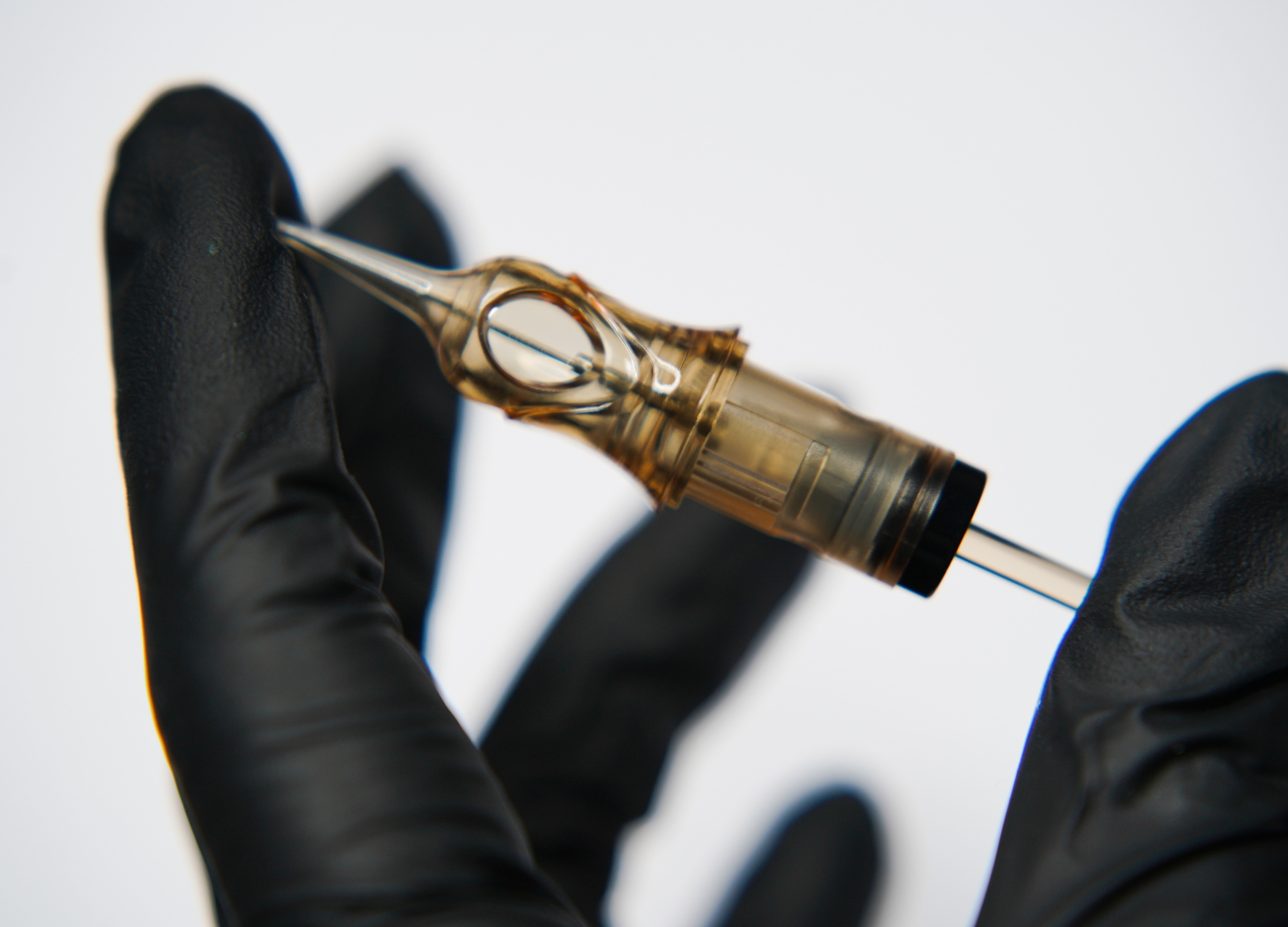
How to choose needles for permanent eyebrow makeup – technique, depth, and final result
Read more
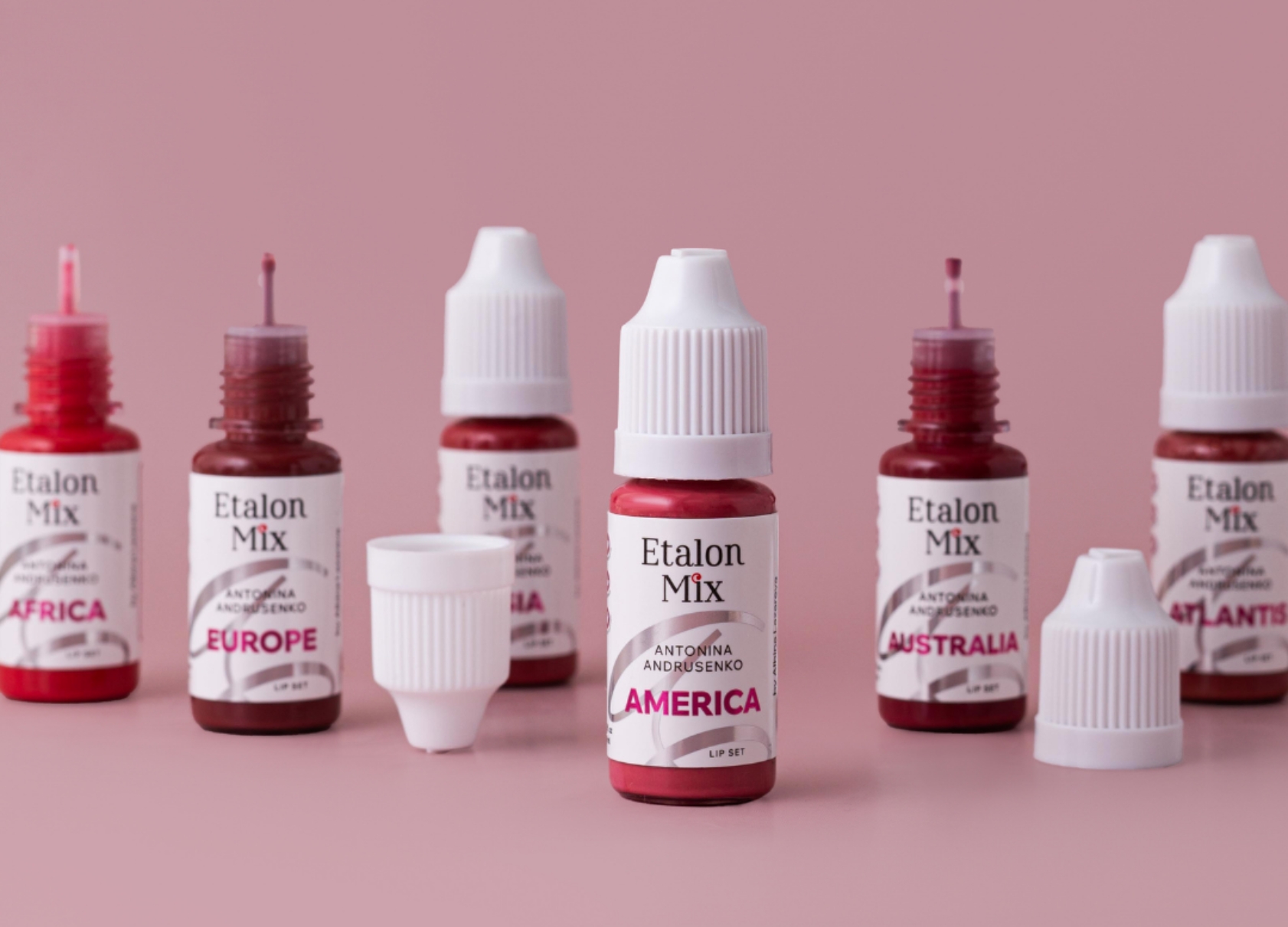
Most common mistakes in lip pigmentation – how to choose needles and pigments to avoid them
Mistakes in lip pigmentation do not stem from a lack of manual skills, but from a lack of control over the process. Permanent lip makeup requires an understanding of how permanent makeup needles work and how pigments behave in the skin.
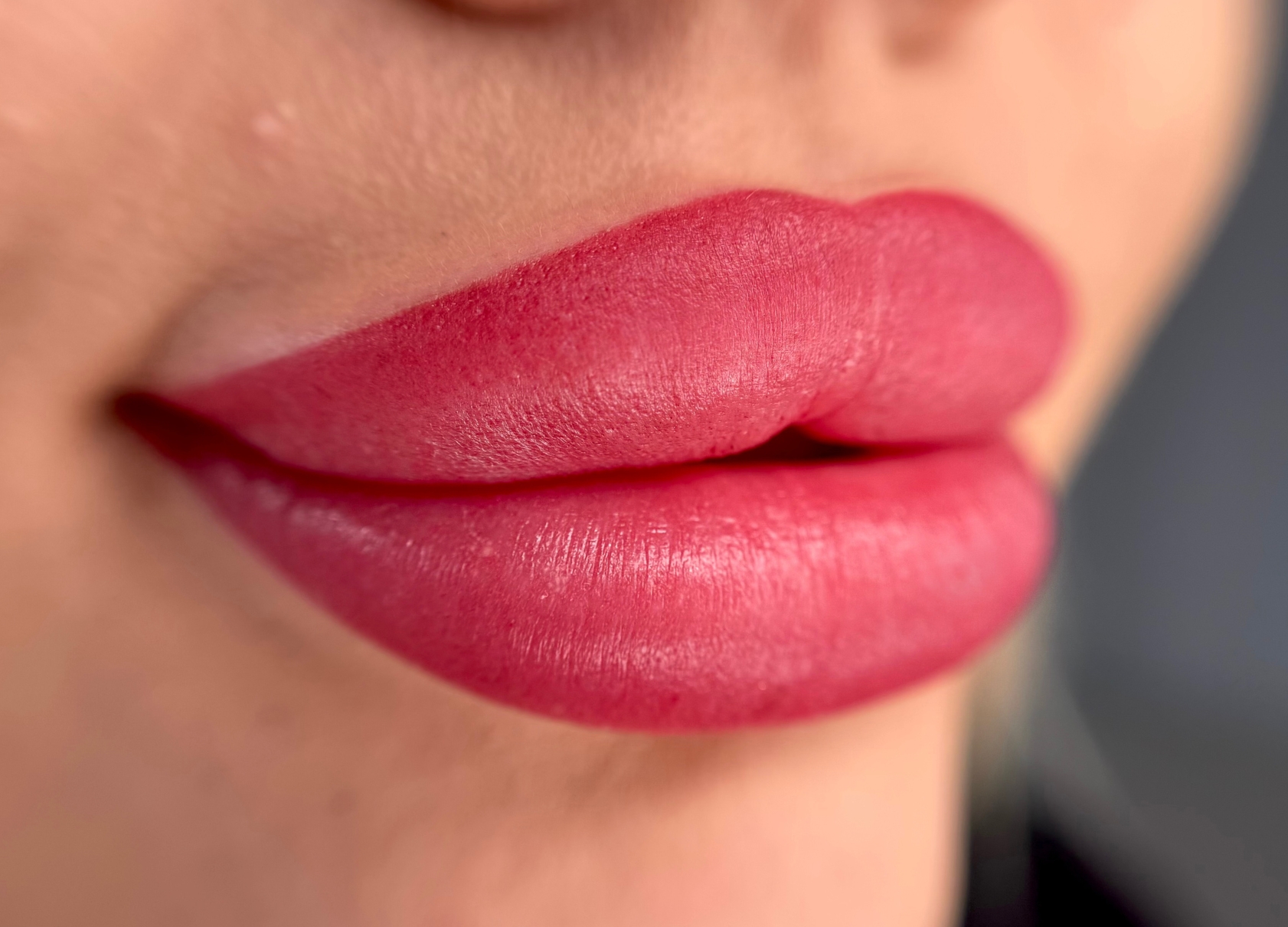
Permanent lip makeup step-by-step – equipment, pigment, and technique for stable results
Permanent lip makeup is a process that requires the consistency of all its elements. Equipment, pigment, and PMU technique must work together for the result to be predictable and stable. A lack of control over any one of these elements affects the entire outcome.
The first stage is preparing the workstation and analyzing the lips. Permanent lip makeup does not begin with pigmentation, but with an assessment of color, symmetry, and skin structure. Based on this, Etalon Pigments and working parameters are selected.
The next element is the choice of tools. Needles for permanent lip makeup and PMU cartridges influence the way the pigment is introduced. Work stability depends on the quality of the PMU equipment and how well it is matched to the technique.
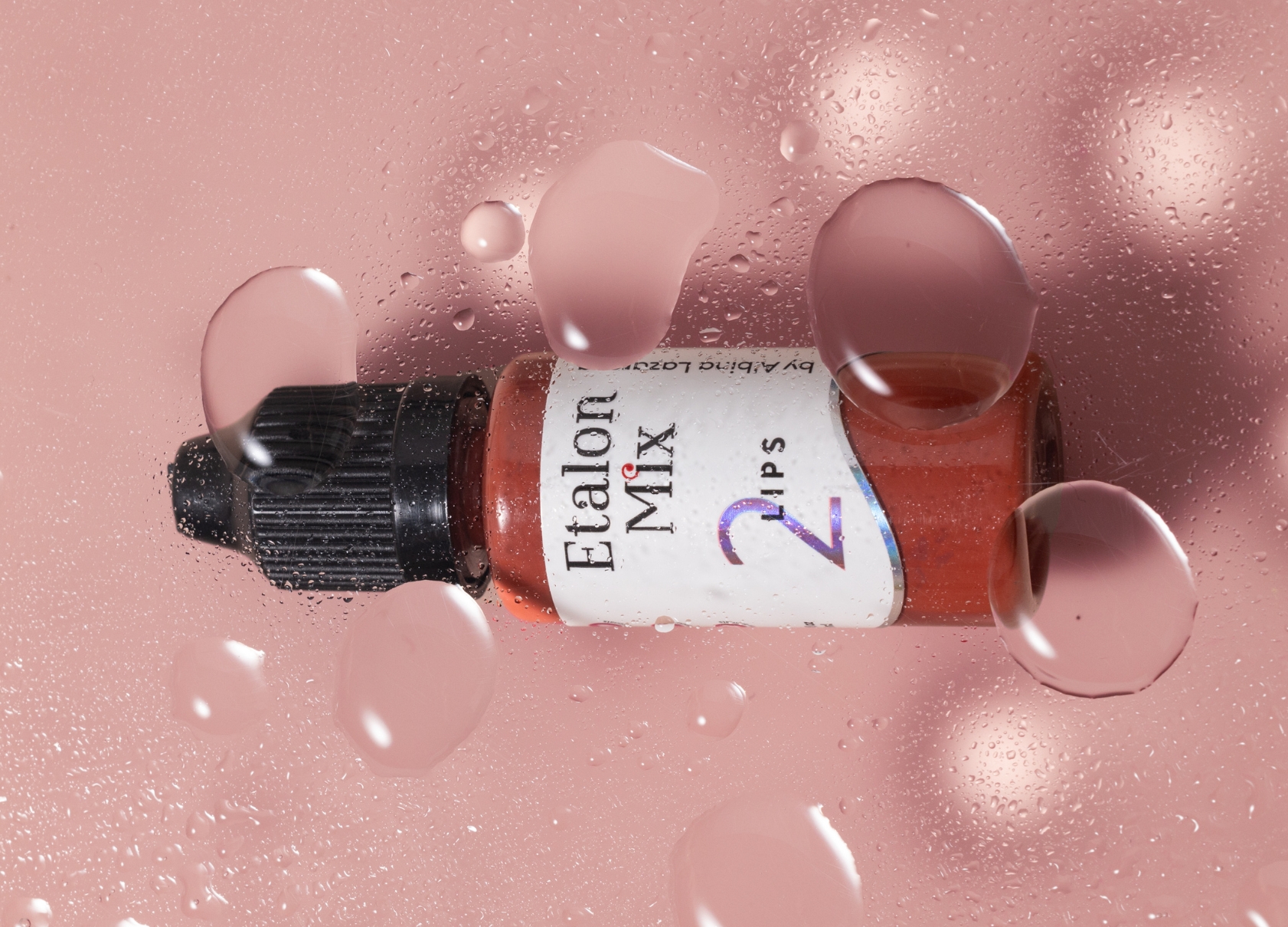
Etalon – pigments for permanent lip makeup in practice: composition, skin behavior, and color durability.
In permanent lip makeup, the pigment is not just a color carrier. It is a material that interacts with the skin and remains there for many months. Therefore, the composition of PMU pigments and their behavior in the tissue have a direct impact on the pigment’s durability and its appearance after healing.
Etalon is a brand that focuses on stability and predictability. Etalon pigments are designed so that their particles behave in a controlled manner. This means a lower risk of migration, color change, and uneven fading.
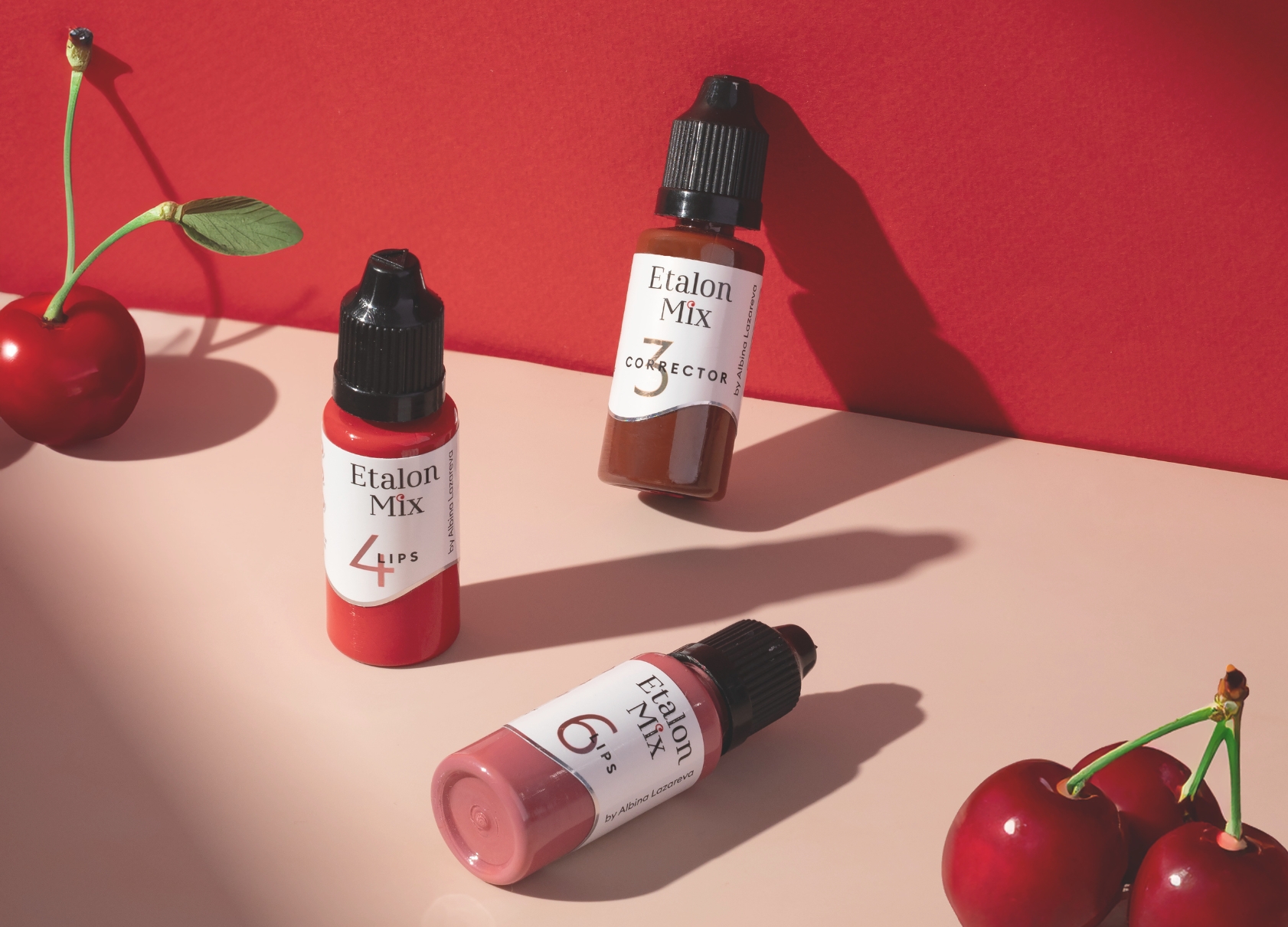
Etalon pigments for lips – how to choose the color and avoid unwanted tones after healing
Selecting a color for permanent lip makeup is not an aesthetic decision, but an analytical process. The pigment visible in the packaging is not the final color. PMU lip color changes during implantation, healing, and stabilization in the skin. Therefore, pigments for permanent lip makeup must be selected consciously, taking into account their behavior in the tissue.
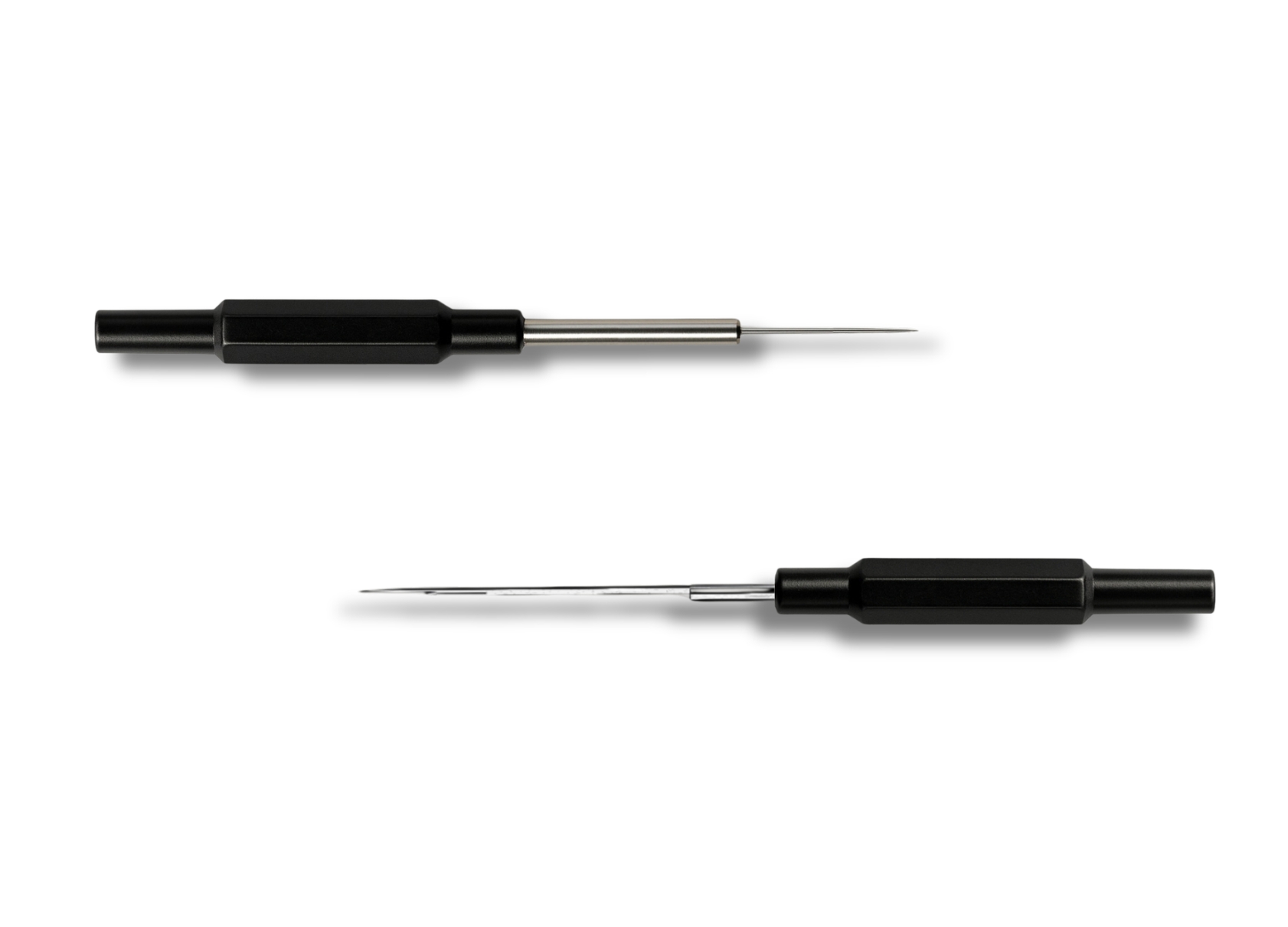
Permanent makeup cartridges for lips – differences in structure and impact on pigment saturation
PMU cartridges are among the most important elements influencing the course of the procedure and the final effect of lip pigmentation. Although they are often perceived only as a needle carrier, in reality, they constitute a system that determines the stability of work, movement control, and the way the pigment is introduced.
In the context of permanent lip makeup, the choice of the appropriate cartridge has a direct impact on the uniformity of saturation, work comfort, and the level of skin trauma. Differences in the structure of PMU cartridges translate into the way needles for permanent lip makeup work within the tissue
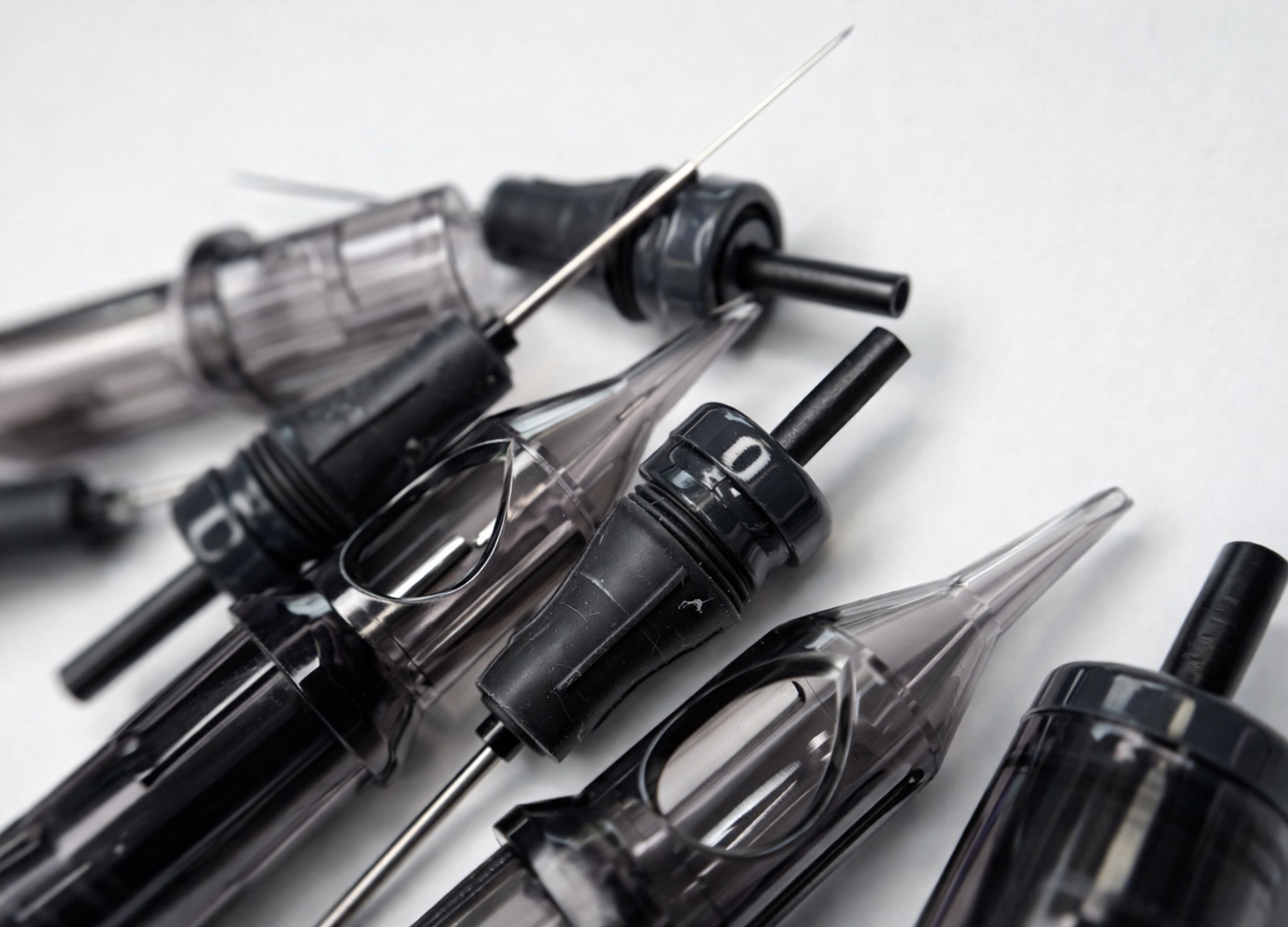
How to choose needles for permanent lip makeup – technique, depth, and final result
Permanent lip makeup is a procedure where the final result depends not only on the pigment or the machine. The key element is the tool you work with. Permanent makeup needles determine how the pigment is introduced into the skin, how it behaves within it, and what effect you will achieve after healing.
In practice, this means that the choice of needles for permanent lip makeup directly affects the color intensity, its evenness, and durability. This is not a secondary element, but the foundation of the entire technique. Understanding the relationship between the needle, the lip pigmentation technique, and the working depth allows you to achieve repeatable and predictable results.
YOU NEED TO KNOW THAT...
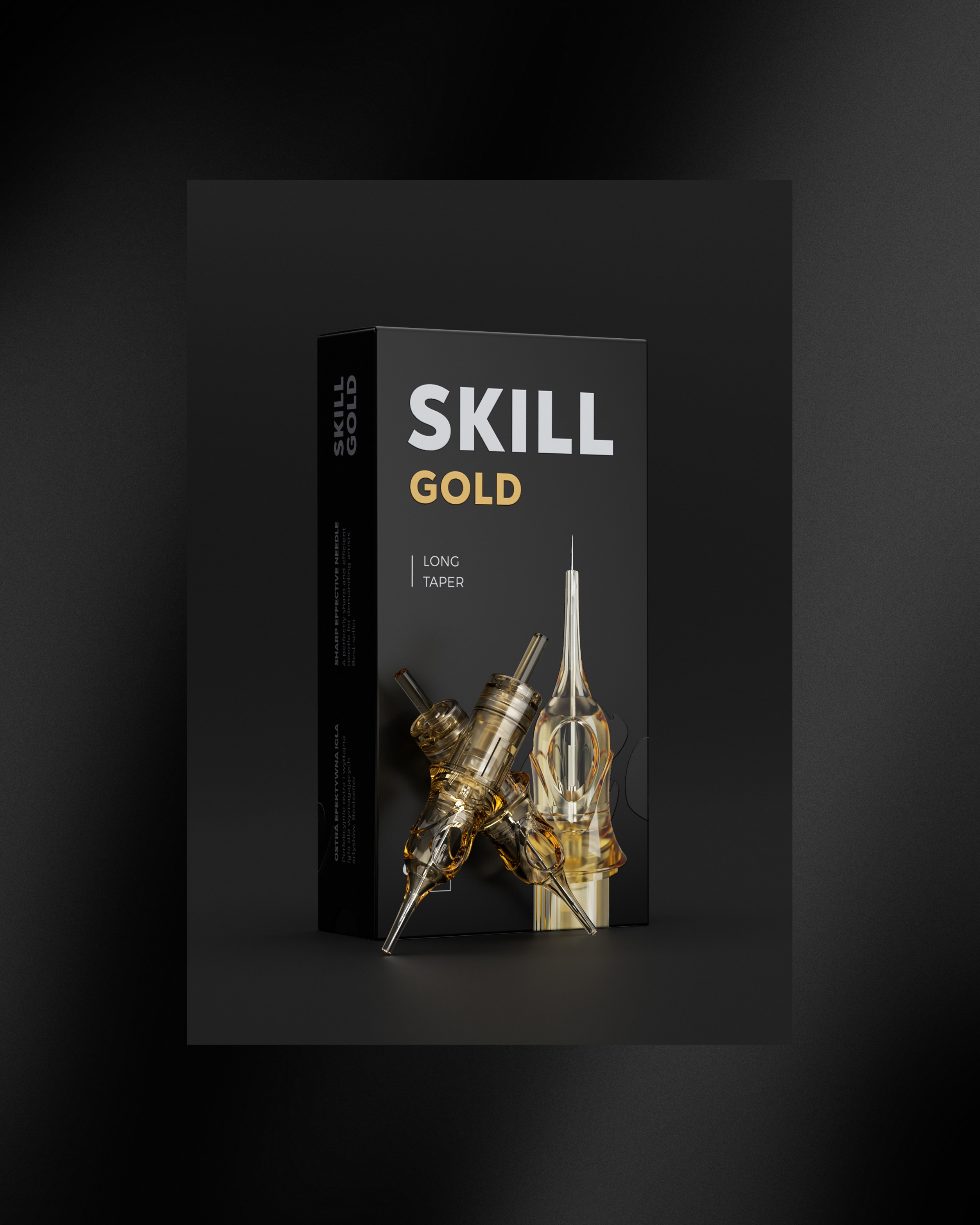
Due to its length, it is the most flexible needle in the Skill series - soft yet sharp. It is perfect for selecting Carbon Black-based pigments or creating a deep shading effect, even with stronger pigments, without the risk of healing in cool tones.
Thanks to its longer working needle tip, it is more flexible and soft, leaving delicate and airy pixels without traumatizing the skin.
We recommend 0.35 for light pigments on normal skin, 0.30 for light pigments on thin skin, or 0.25 for strong pigments to create three-dimensional effects.
 Log in with Facebook
 Log in with Google