

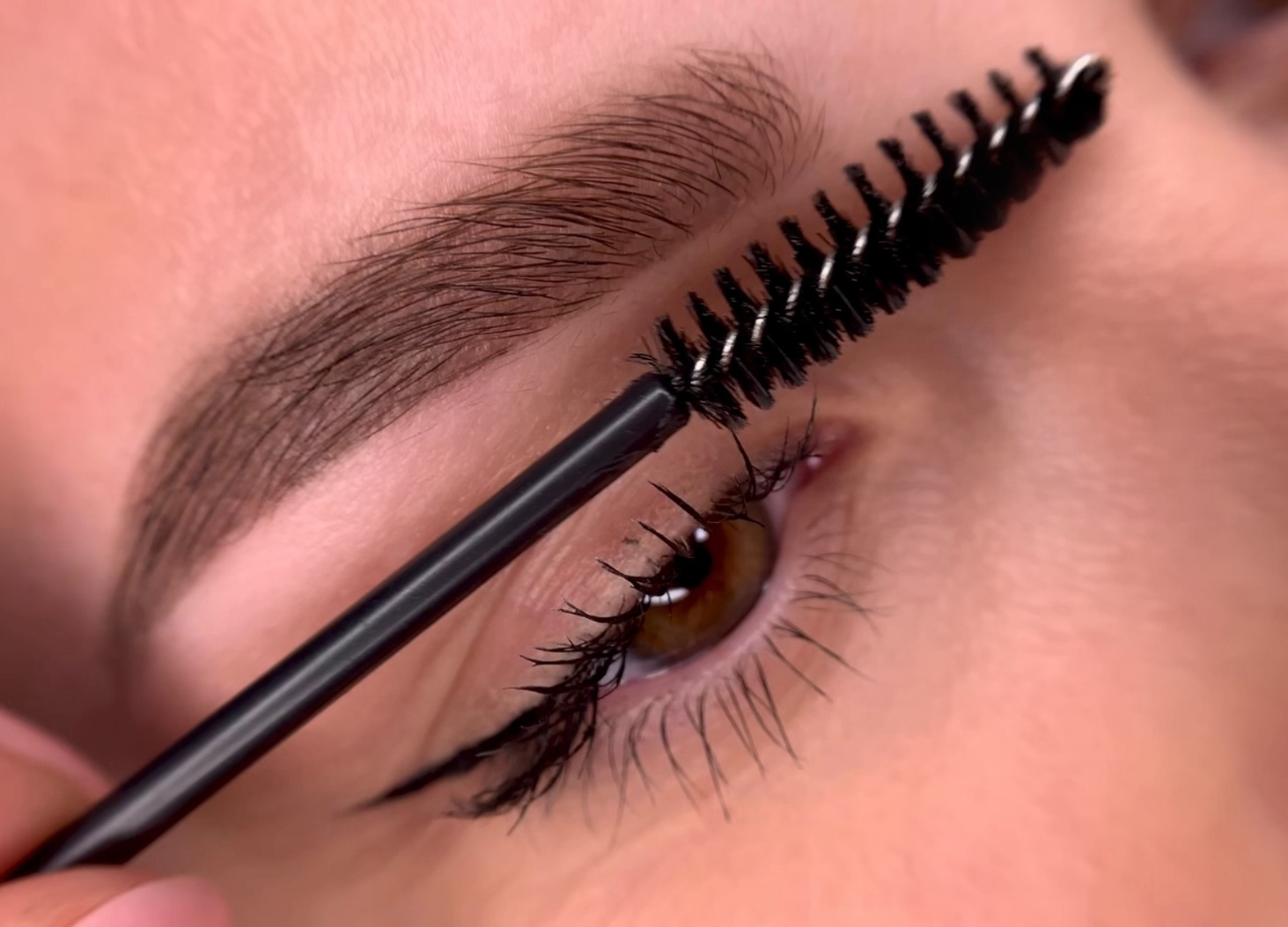
The Professional Guide to Permanent Eyebrow Makeup: A Systems Approach
Permanent eyebrow makeup is not a single action; it is a process where every element influences the final outcome. PMU equipment, pigments, and technique form a system that must work in harmony. A lack of control over any of these elements leads to inconsistent results that change over time or require numerous touch-ups.
The Foundation: Analysis and Equipment Permanent eyebrow makeup begins with analysis. Skin type, thickness, hydration levels, and sebum gland activity determine the approach. Based on this, the appropriate PMU needles, pigments, and machine settings are selected. Skipping this stage leads to schematic work that fails to account for individual differences.
PMU equipment is the foundation. The device should operate with stability, without excessive vibration or power fluctuations. It determines whether the needles move in a consistent, repetitive manner. Unstable equipment performance results in uneven pigment implantation.
Precision Components: Cartridges and Needles PMU cartridges are the next essential element, responsible for guiding and stabilizing the needle. In eyebrow PMU, even minor motion deviations impact the final result. Cartridges must be matched to the technique to ensure control over the depth and intensity of pigmentation.
PMU needles for eyebrows are the direct point of contact with the skin. Their configuration dictates how pigment is introduced into the tissue. Precision is paramount in hair-stroke techniques, while uniformity is key for powder brows.
The Role of Pigment and Technique Pigment is what ultimately determines the color. Etalon pigments offer stability and predictability, provided they are used correctly. Permanent eyebrow makeup is not just about choosing a color; it is about planning its behavior over time. The pigment must work in synergy with the skin and the chosen technique.
Technique is the binding element. Even the best equipment and highest-quality pigments will not yield a stable result if the technique is flawed. The needle motion must be repetitive, controlled, and adapted to the specific skin type.
The Procedure: Layering and Control The procedure begins with skin preparation. Cleansing and degreasing ensure better pigment adhesion. A preliminary sketch is then created to establish the brow shape and proportions. This influences not only aesthetics but also the needle path.
During pigmentation, needles should move in a controlled manner, without excessive pressure. Too much force damages the skin and compromises the result, while too little prevents proper implantation. Permanent eyebrow makeup requires layering; the pigment should not be deposited to its final intensity in a single pass. Successive passes allow for gradual color building and control.
Throughout the process, observing the skin is crucial. Excessive redness or bleeding may indicate overly aggressive work, while no reaction could suggest the implantation is too shallow. Needles must be replaced as needed; working with a worn tool degrades pigmentation quality and increases the risk of errors. Etalon pigments must be applied with balance—too much leads to a heavy look, while too little leads to poor longevity.
Healing and Maintenance After the procedure, the healing process begins. Proper aftercare is vital for the pigment to stabilize in the skin. A touch-up is an integral part of the process, allowing for the refinement of color and intensity. Etalon pigments allow for precise adjustments during this phase.
Conclusion In practice, permanent eyebrow makeup is a working system. PMU equipment, cartridges, needles, and Etalon pigments must collaborate. A stable, long-lasting, and predictable result is never an accident—it is the product of conscious tool selection, technique, and continuous analysis.
To maintain consistency in your work, utilize proven, high-quality solutions: Check out the PMU devices available at Cookielookie.shop here.
 Log in with Facebook
 Log in with Google